EXPLORE WILDLIFE IN SCOTLAND
Scotland is not only famous for its stunning scenery, mountains, lochs but also for its abundant wildlife. It provides an environment that’s rich with a diverse collection of land and sea creatures. From its herds of deer to the lively pine martens, spotting any of this wildlife in their own natural habitat is a real coup. Scotland is a home to over 90,000 species and has a rich and diverse natural history which attracts thousands of wildlife enthusiasts each year. Scotland’s land, seas and skies support a wide range of native mammals and birds, as well as six amphibians, four reptiles and over 50,000 different invertebrates. The highland midge, adders, Killer whales, Wolf Spider and Giant Pike is considered to be dangerous one in Scotland. There is an abundance of wildlife species you can spot across Scotland in a range of natural habitats.
-
-
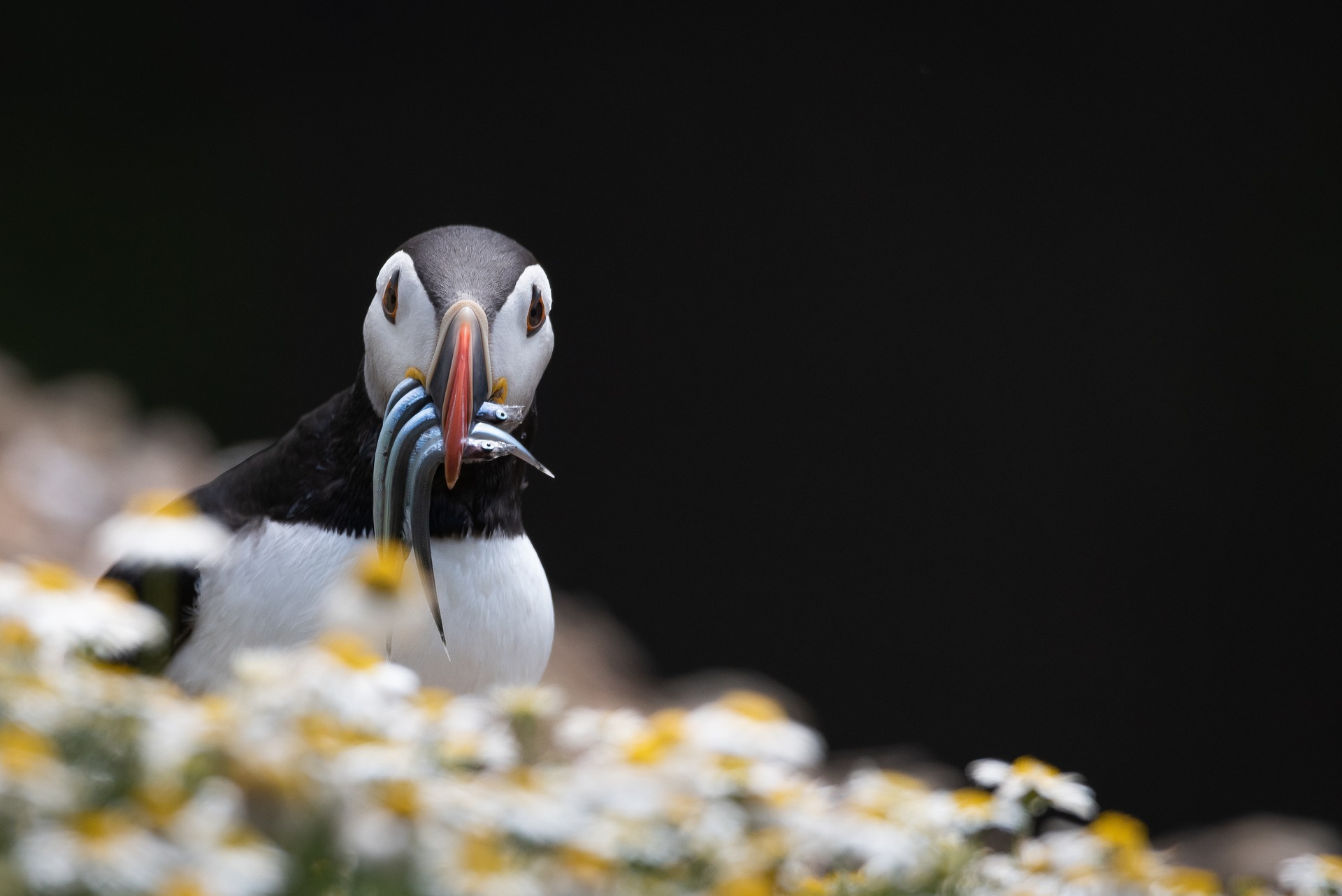
PUFFINS
Puffins are one of the many bird species you are bound to come across on your travels around Scotland Isle of Mull, Isle of Staffa, Shetland, the islands of the Firth of Forth and the Isle of May.
-
-
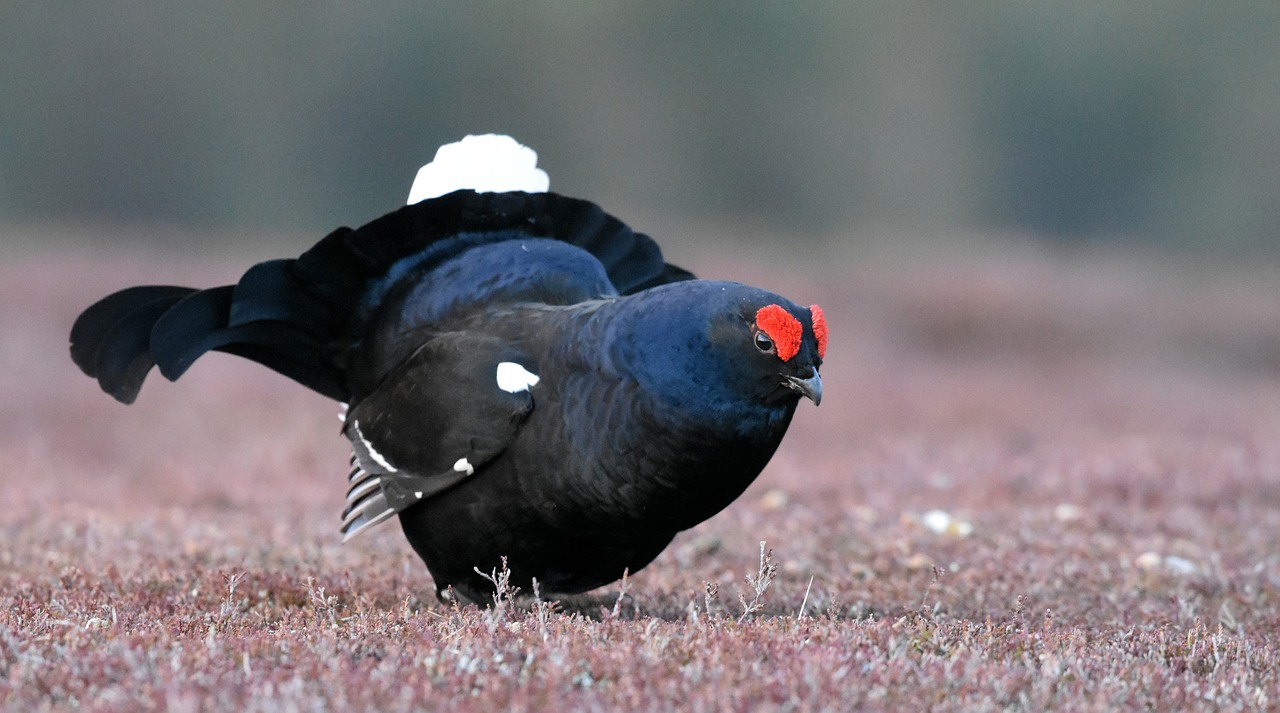
BLACK GROUSE
Black grouse is Scotland’s more common woodland grouse species. Males have blue/black plumage, with a distinctive red eyebrow wattle and white down each wing as they fly.
-
-
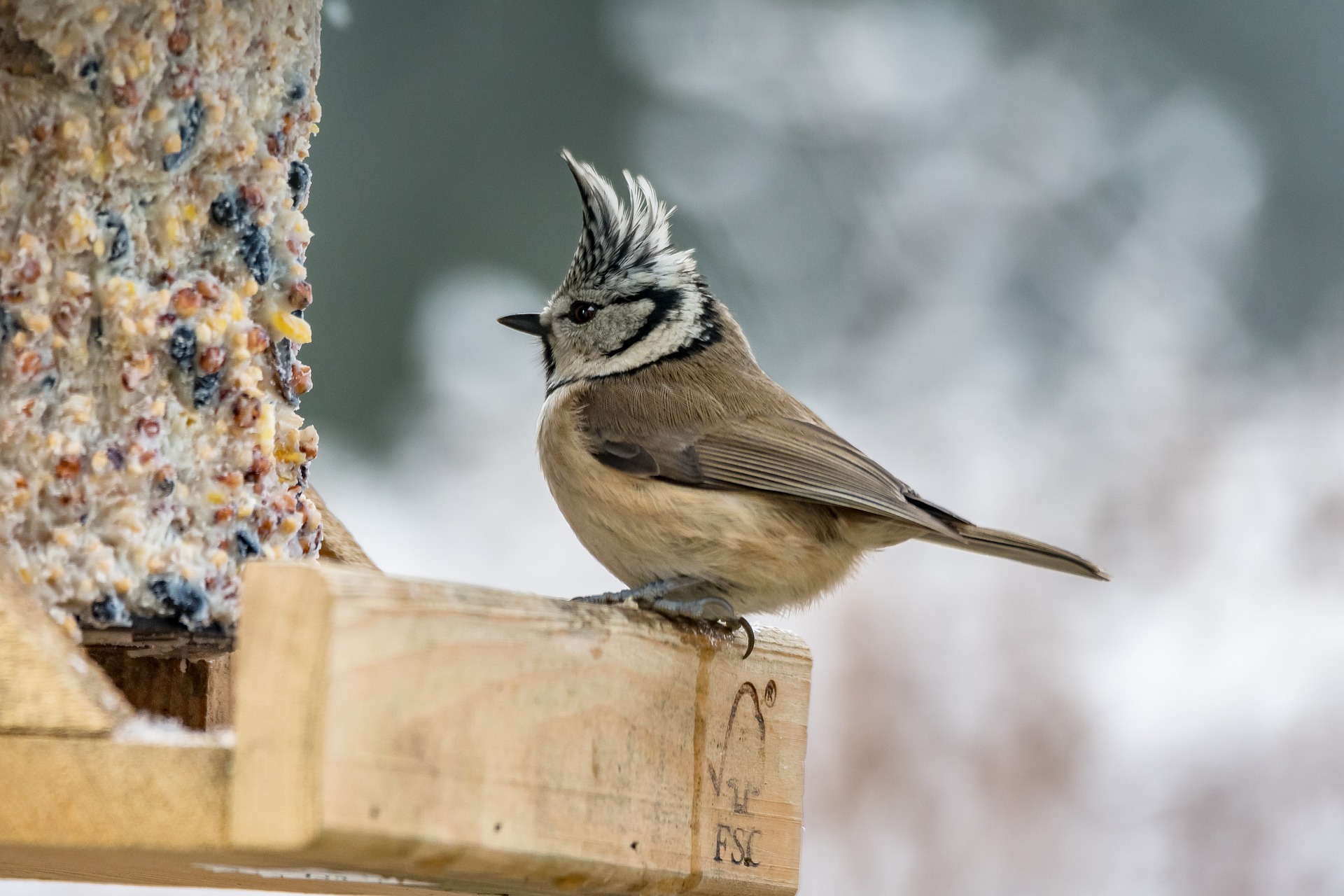
CRESTED TIT
Crested tit from a distance, this is quite a dull coloured tit with predominantly grey-green upper parts, buff flanks and a white breast. The white cheeks and lack of wing barring identify it at this range. More closely it has a very distinctive black and white colour.
-
-
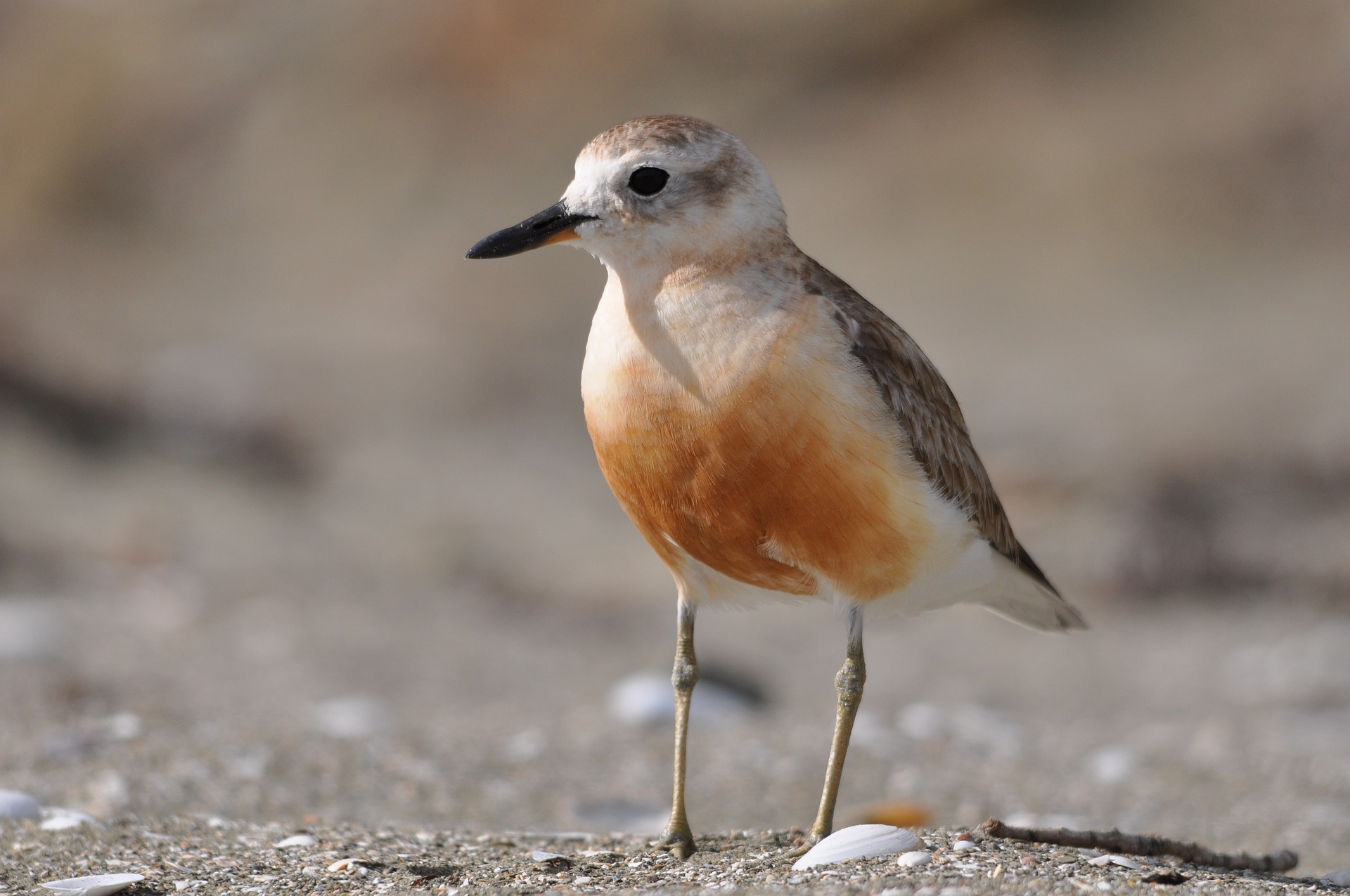
DOTTEREL
Dotterel breed in the uplands. Unusually females are more brightly coloured than the males and it is the males who rear the chicks. Upper parts are predominantly grey in adult birds.
-
-
RED GROUSE
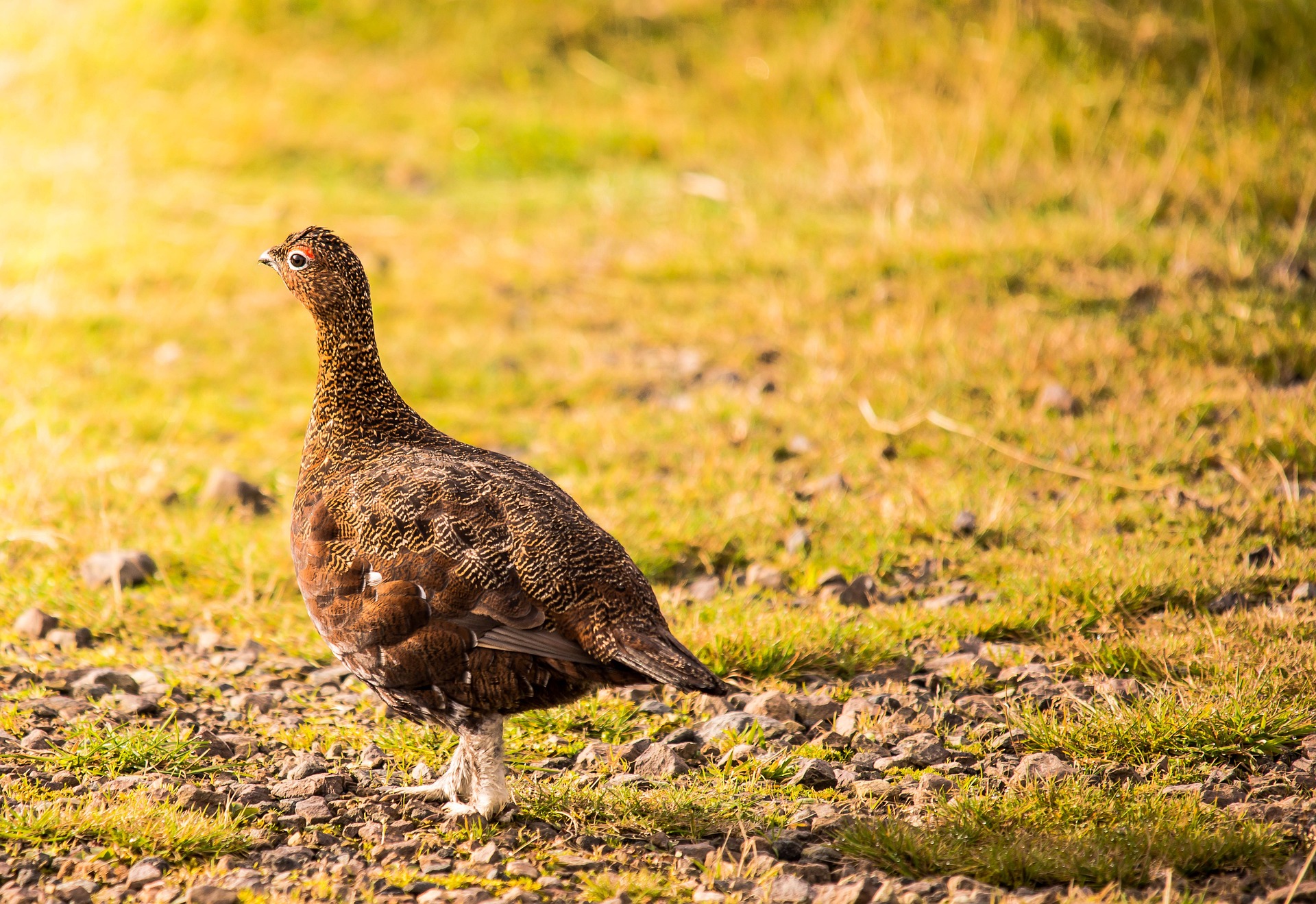
Red grouse is the most common grouse, a plump medium sized bird with a short tail, rich chestnut brown plumage and white-feathered legs. Males can be identified by a red eyebrow wattle which is very apparent when they call during the breeding season.
-
-
SCOTTISH CROSSBILL
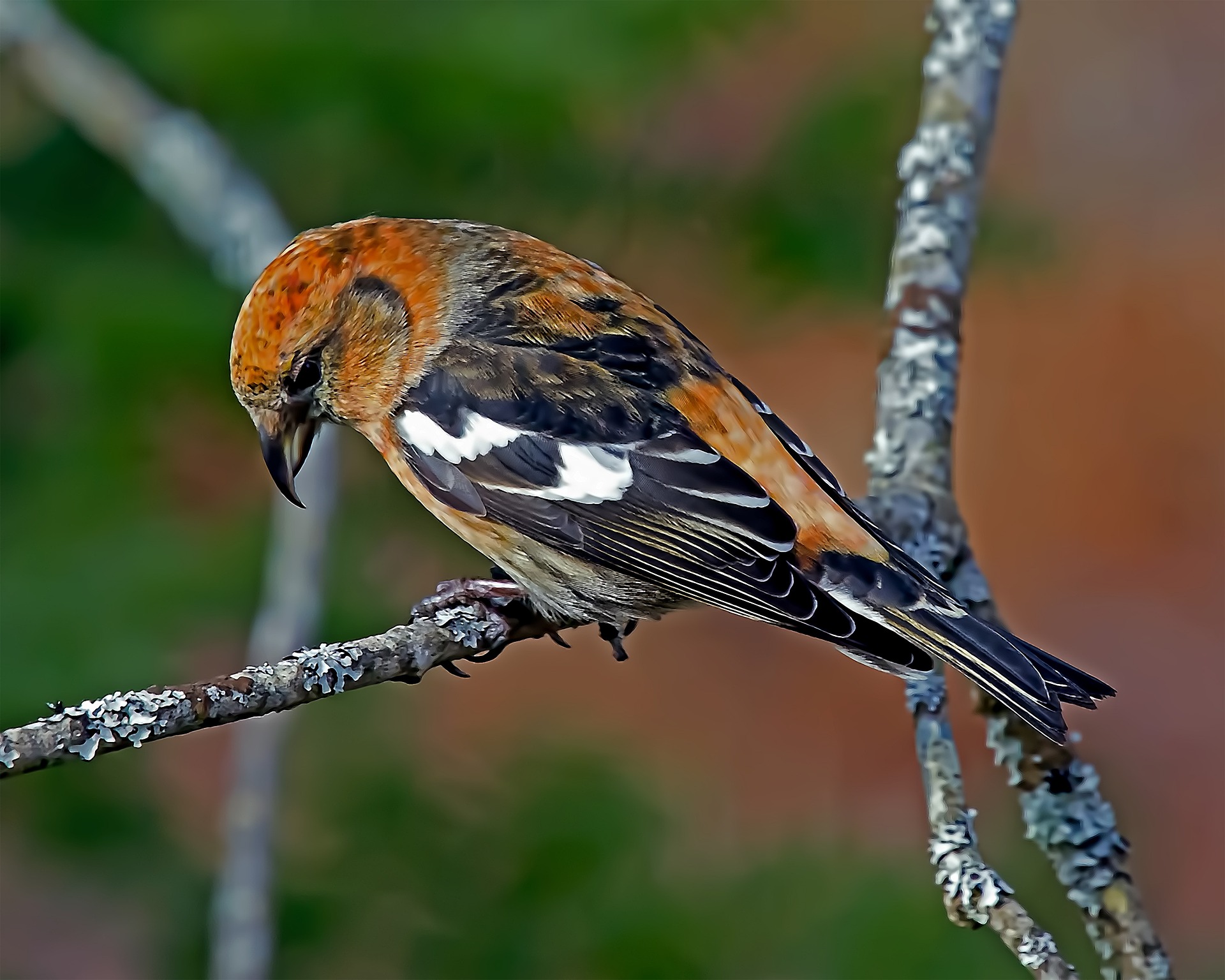
Scottish crossbill is a well-built finch with a large head and substantial beak with the distinctive crossed mandibles. They are highly adapted to feeding on seeds taken from native Scots pine cones, breaking into the cones with their strong beaks.
-
-
LAPWING
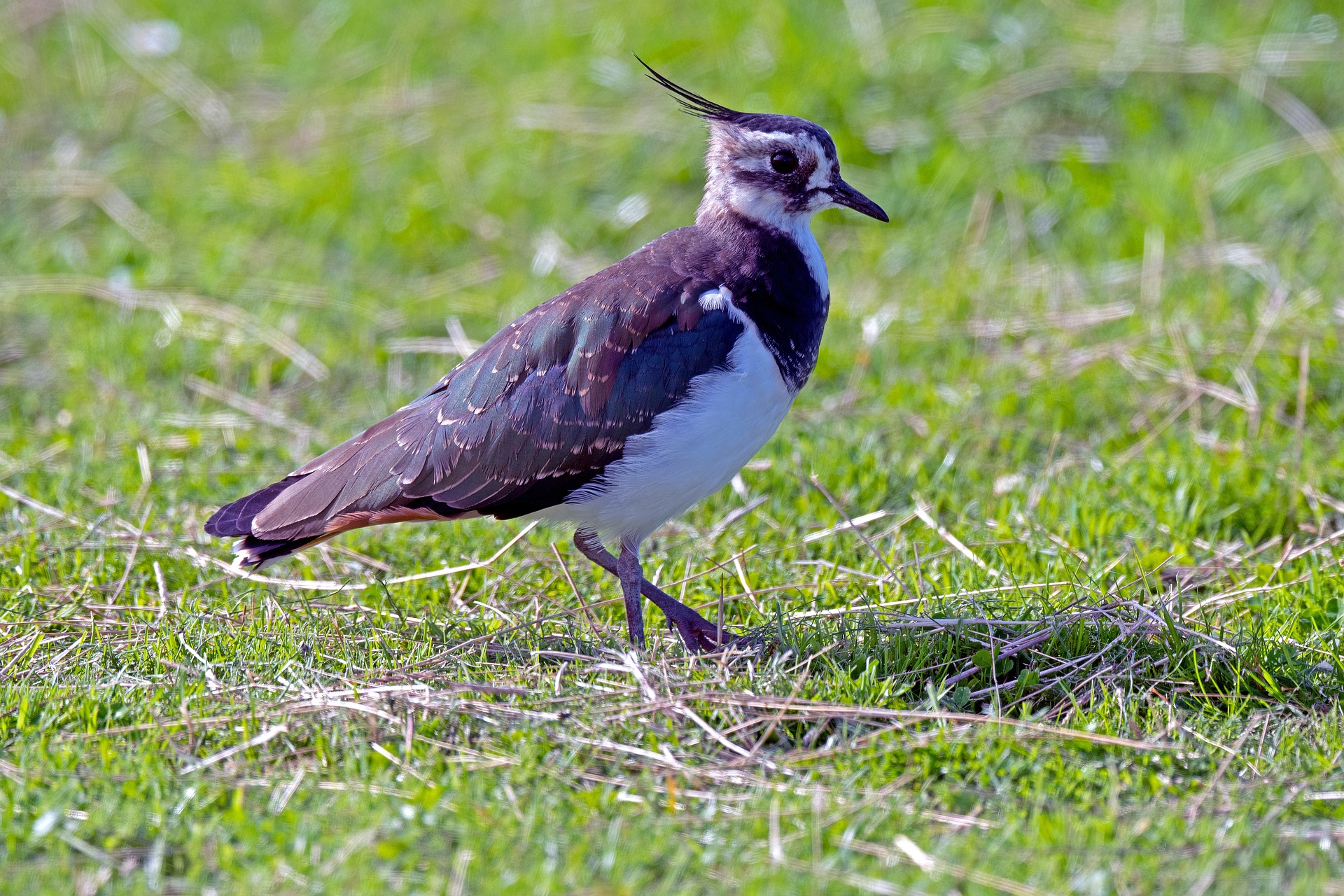
Lapwing at a distance the lapwing looks black and white, on close inspection it has rich greens and shades of red on its back and wings, with an orange vent under its tail. In flight, it looks all black from above and white with black wing ends from underneath.
-
-
CAPERCAILLIE
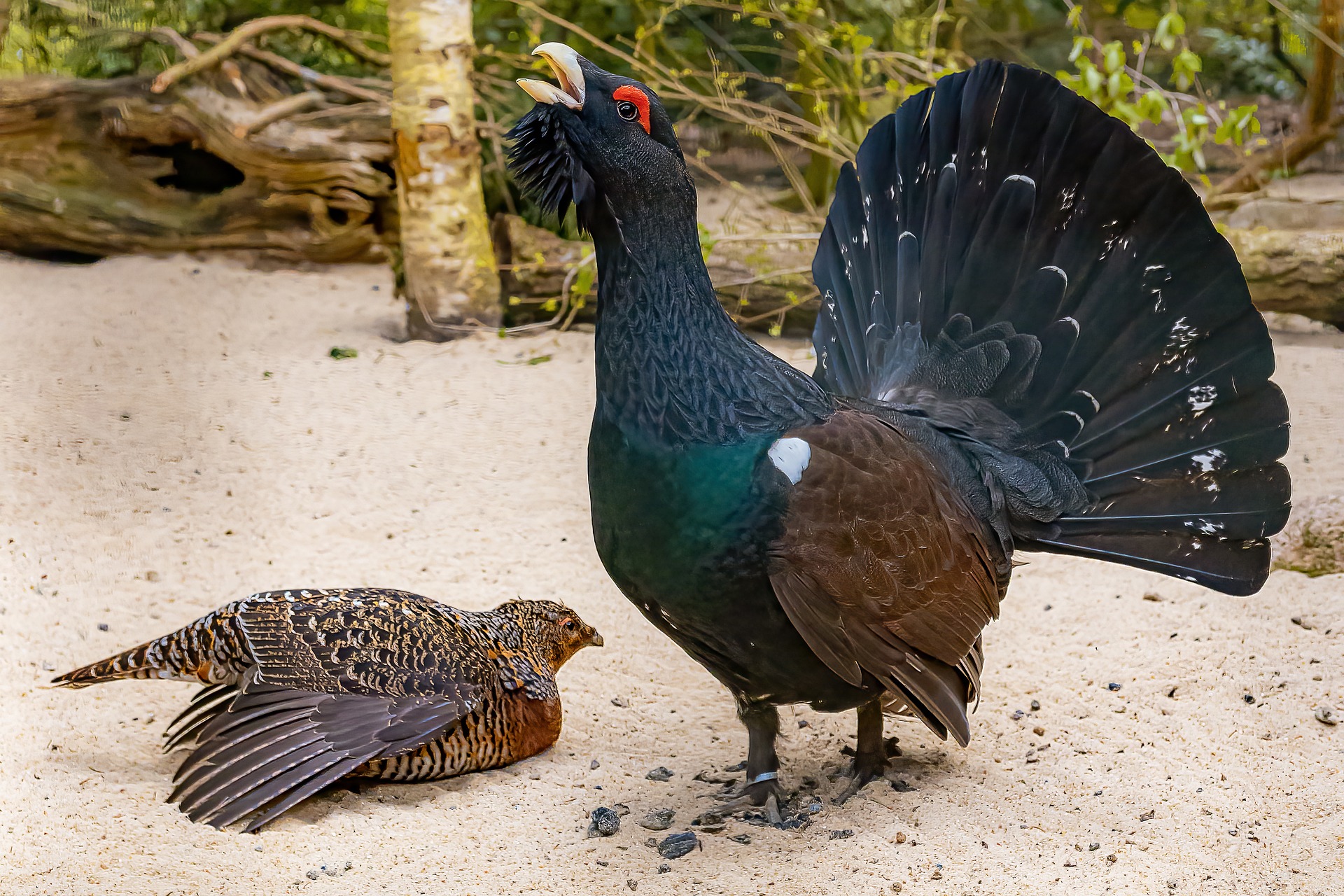
Capercaillie Scotland’s largest and rarest grouse species; the male is larger and, at a distance is conspicuous as it appears black. When seen more closely there are shades of dark blue on the throat and chest; green on the wings and brown on the back.
-
-
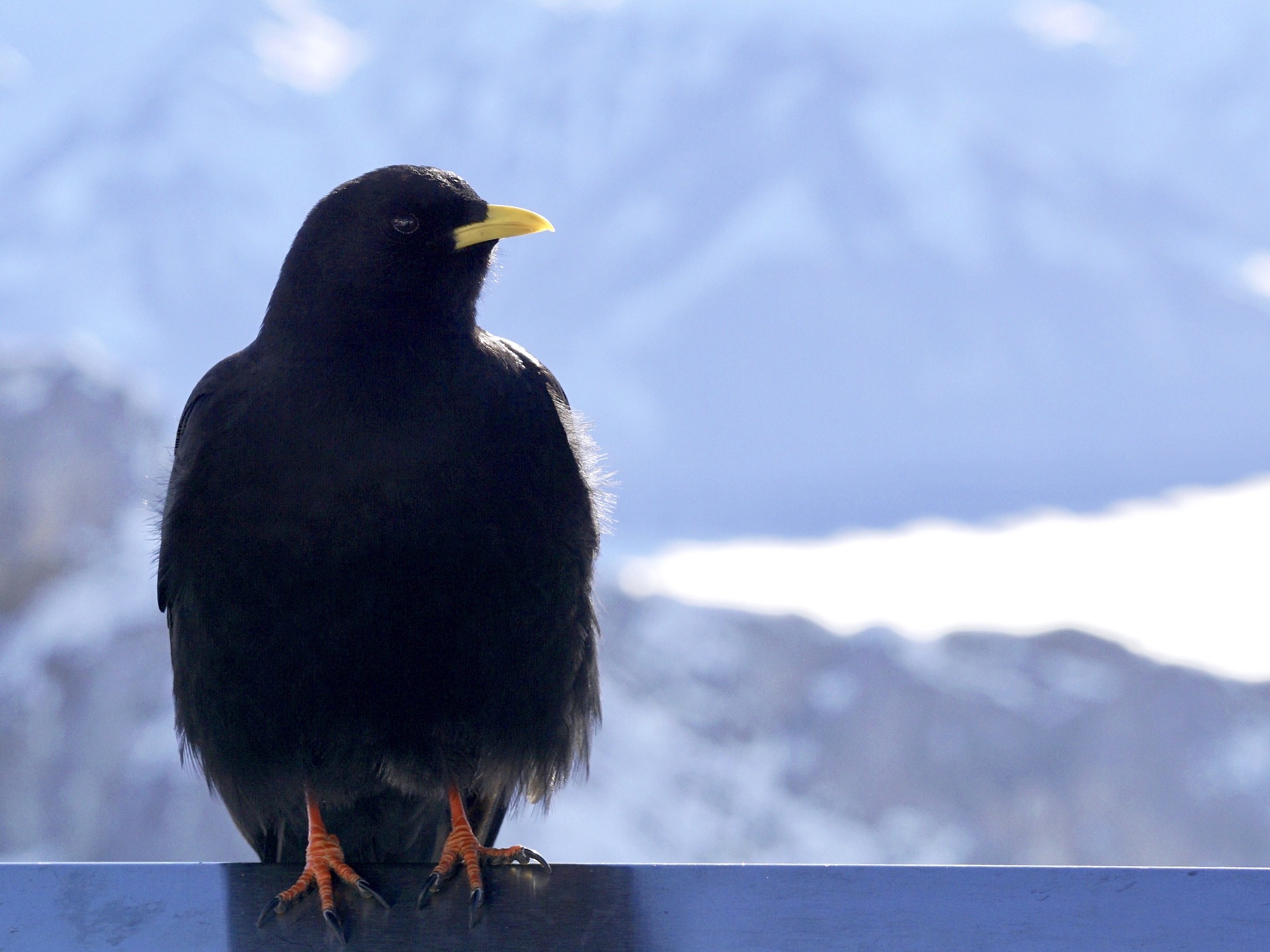
CHOUGH
Chough while its black plumage identifies it as a crow, the chough (pronounced 'chuff') has a red bill and legs unlike any other member of the crow family. It has a restricted westerly distribution in the British Isles and because of its small population size.
-
-
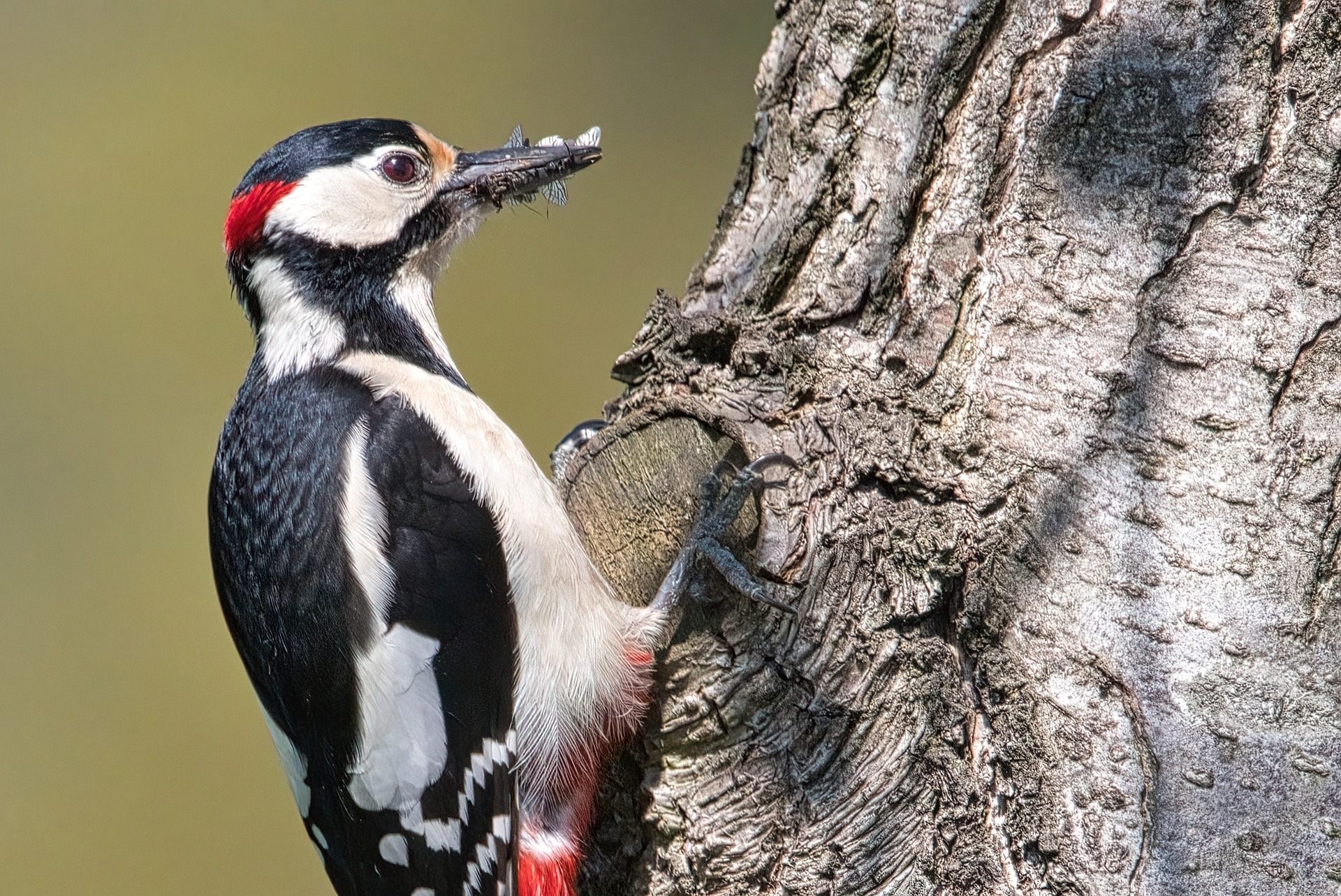
GREAT SPOTTED WOODPECKER
Great spotted woodpecker about blackbird-sized and has striking black-and-white. It has a very distinctive bouncing flight and spends most of its time clinging to tree trunks and branches, it is shy bird and often trying to hide on the side away from the observer.
-
-
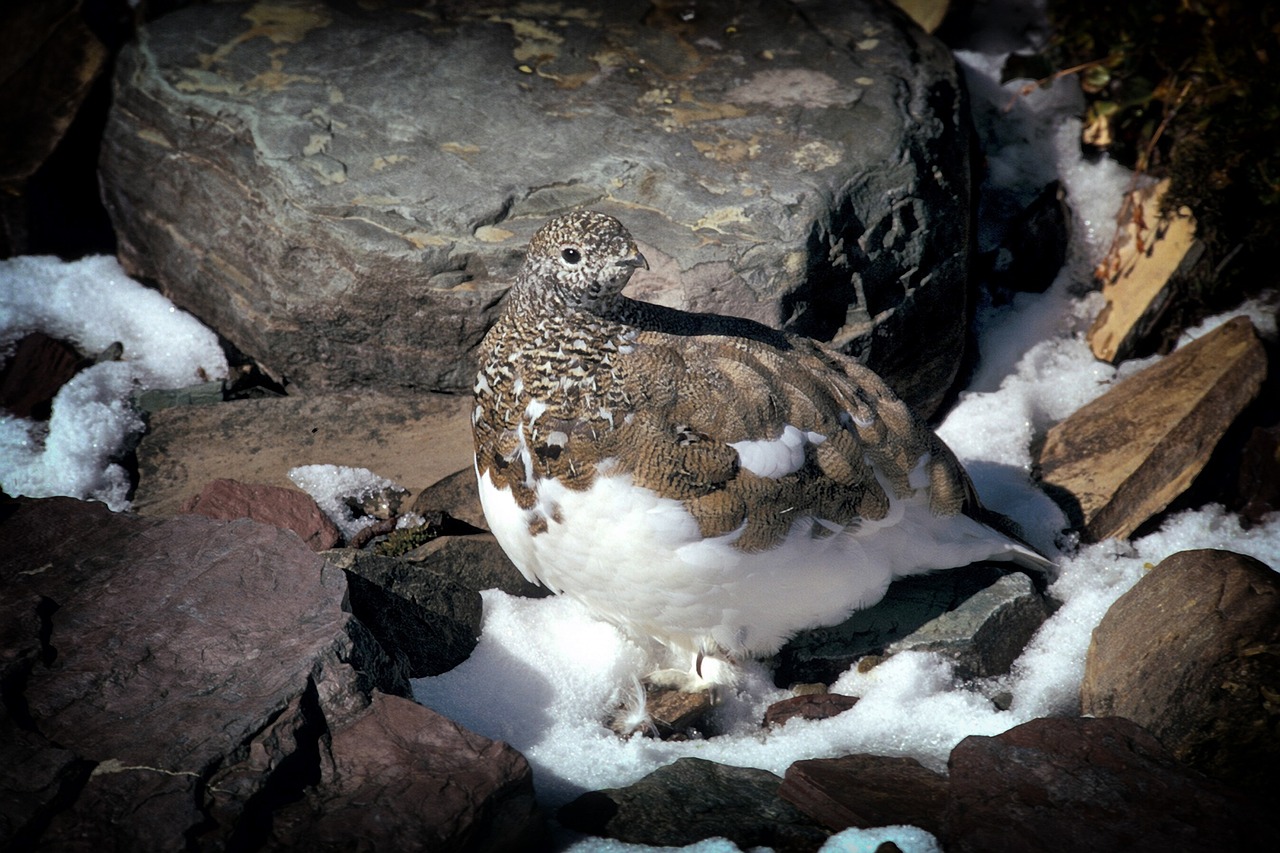
THE PTARMIGAN
The ptarmigan is a plump gamebird, slightly larger than a grey partridge. In summer, is a mixture of grey, brown and black above with white bellies and wings. In winter, it becomes totally white except for its tail and eye-patch, which remain black.
-
-
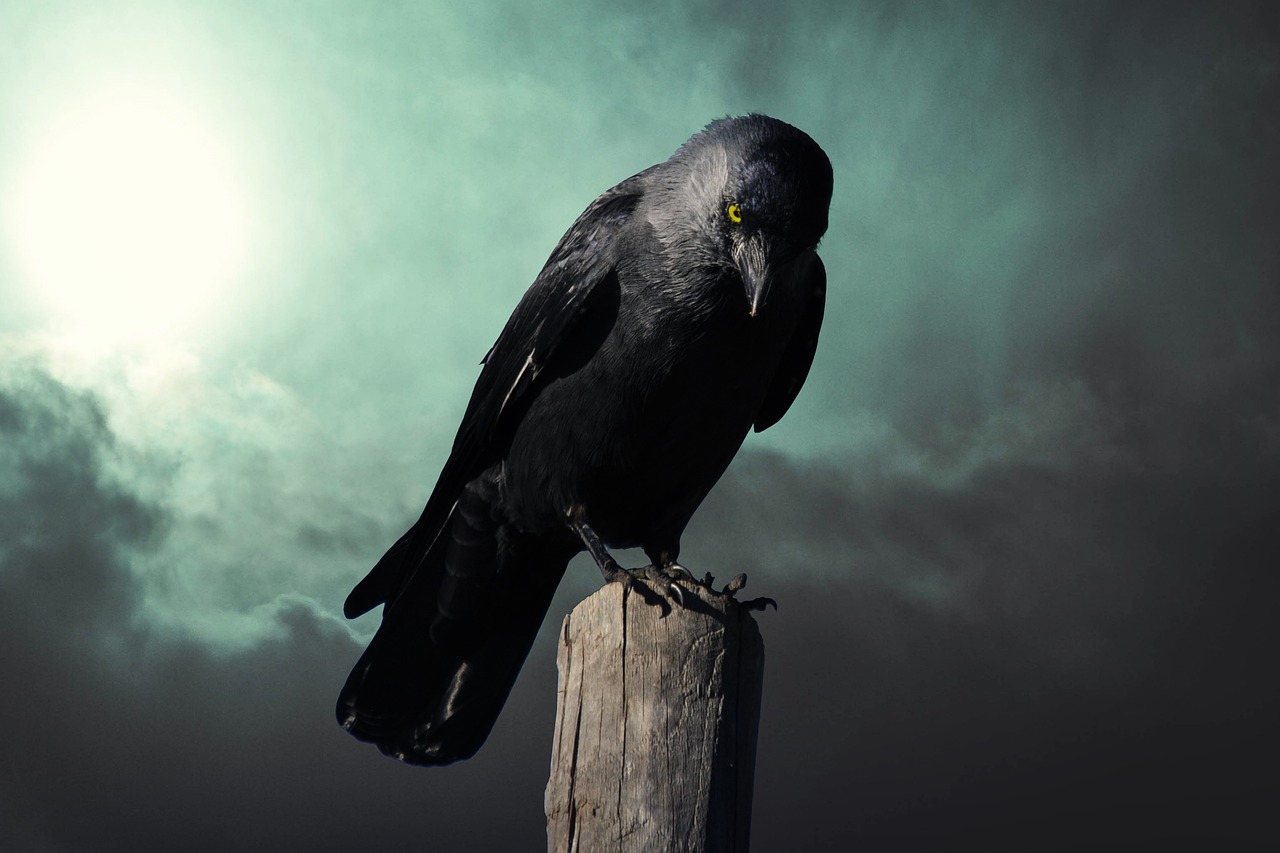
ROOK
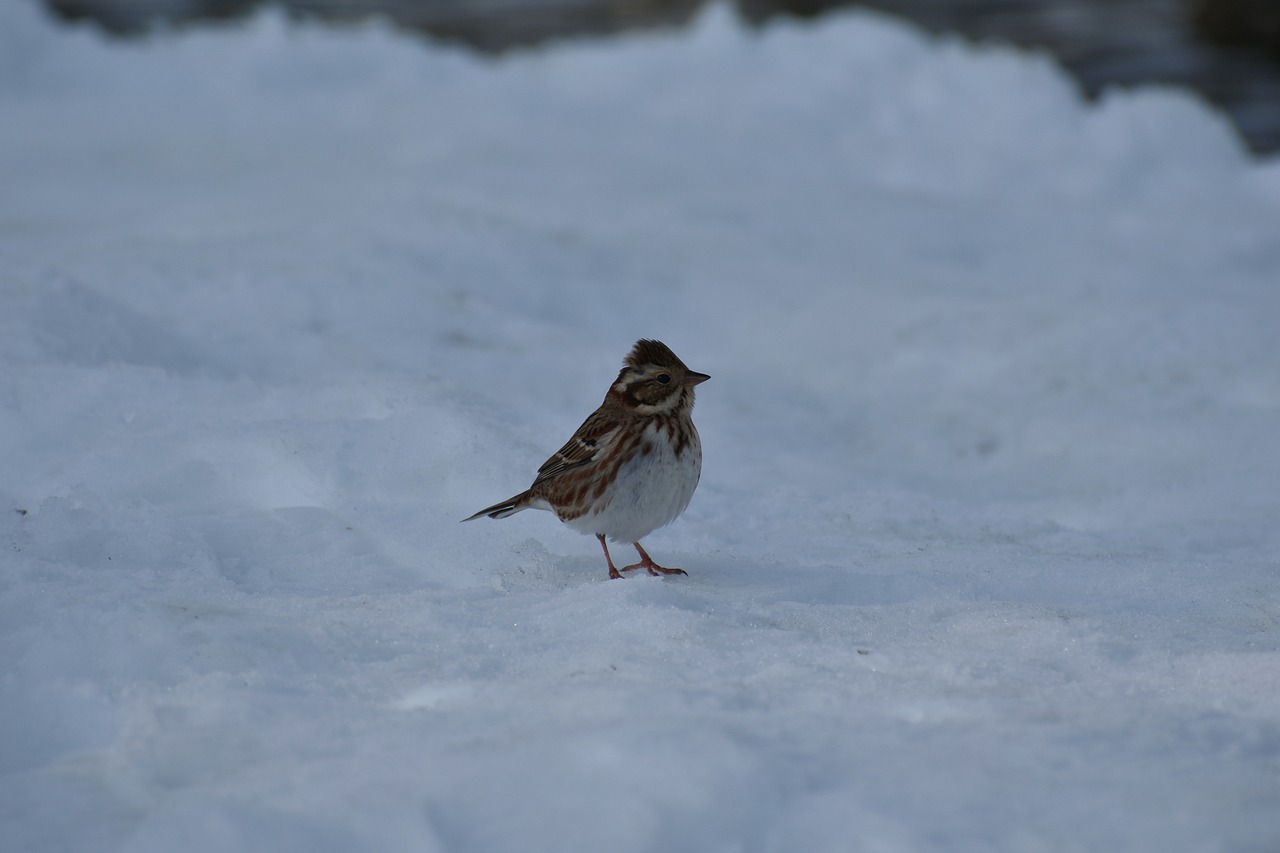
Rook Seen in flocks feeding on open ground on farmland, this large bird is a member of the crow (corvid) family and appears black at a distance. When seen close up, it has an area of light bare skin around the base of its beak and deep metallic blue tones.
-
-
SNOW BUNTING
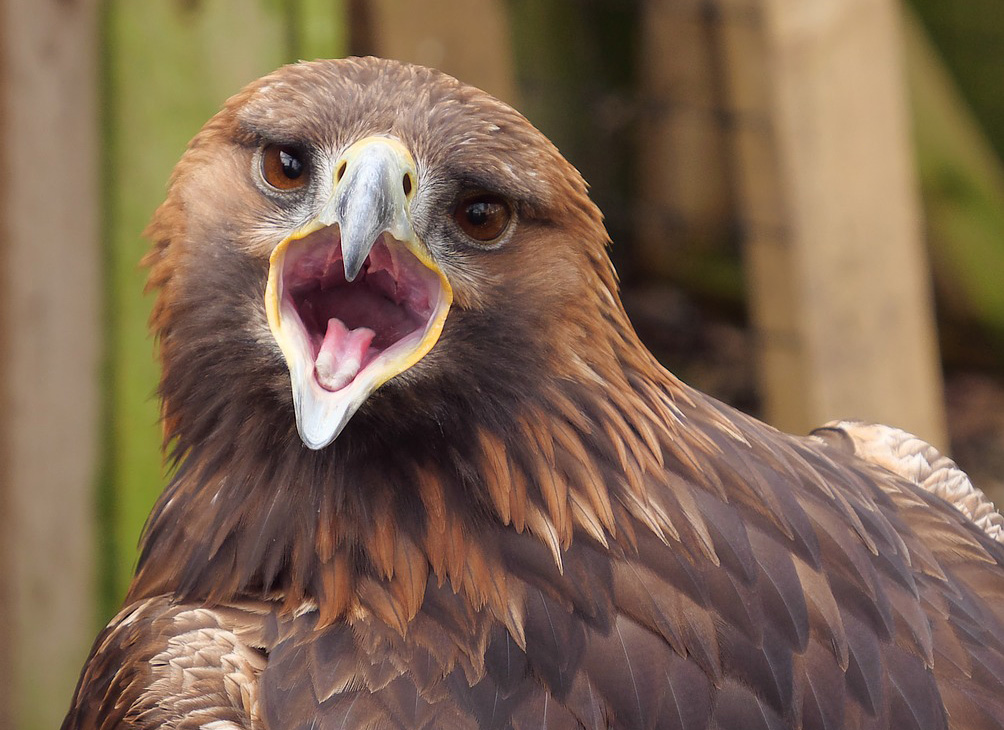
Snow bunting Snow buntings are large buntings, with striking `snowy' plumages. Males in summer have all white heads and underparts contrasting with a black mantle and wing tips. Females are a more mottled above.
-
-
GOLDEN EAGLE
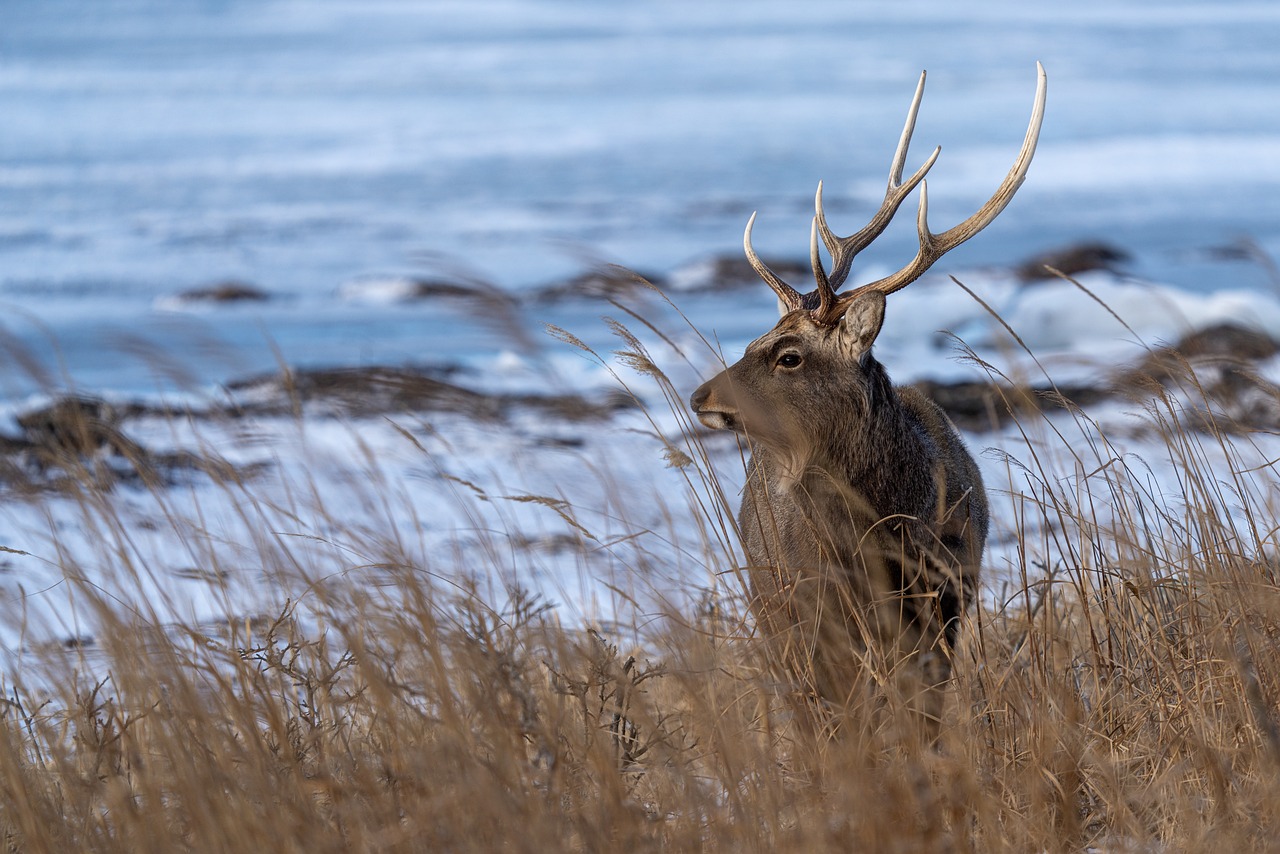
Golden eagle easy to spot because of its 2-metre wingspan, generally found in open spaces and these birds are loners, choosing to nest as far from civilisation. Golden eagles thrive in Scotland where they don't have any natural predators, and they feed on small mammals.
-
-
RED DEER
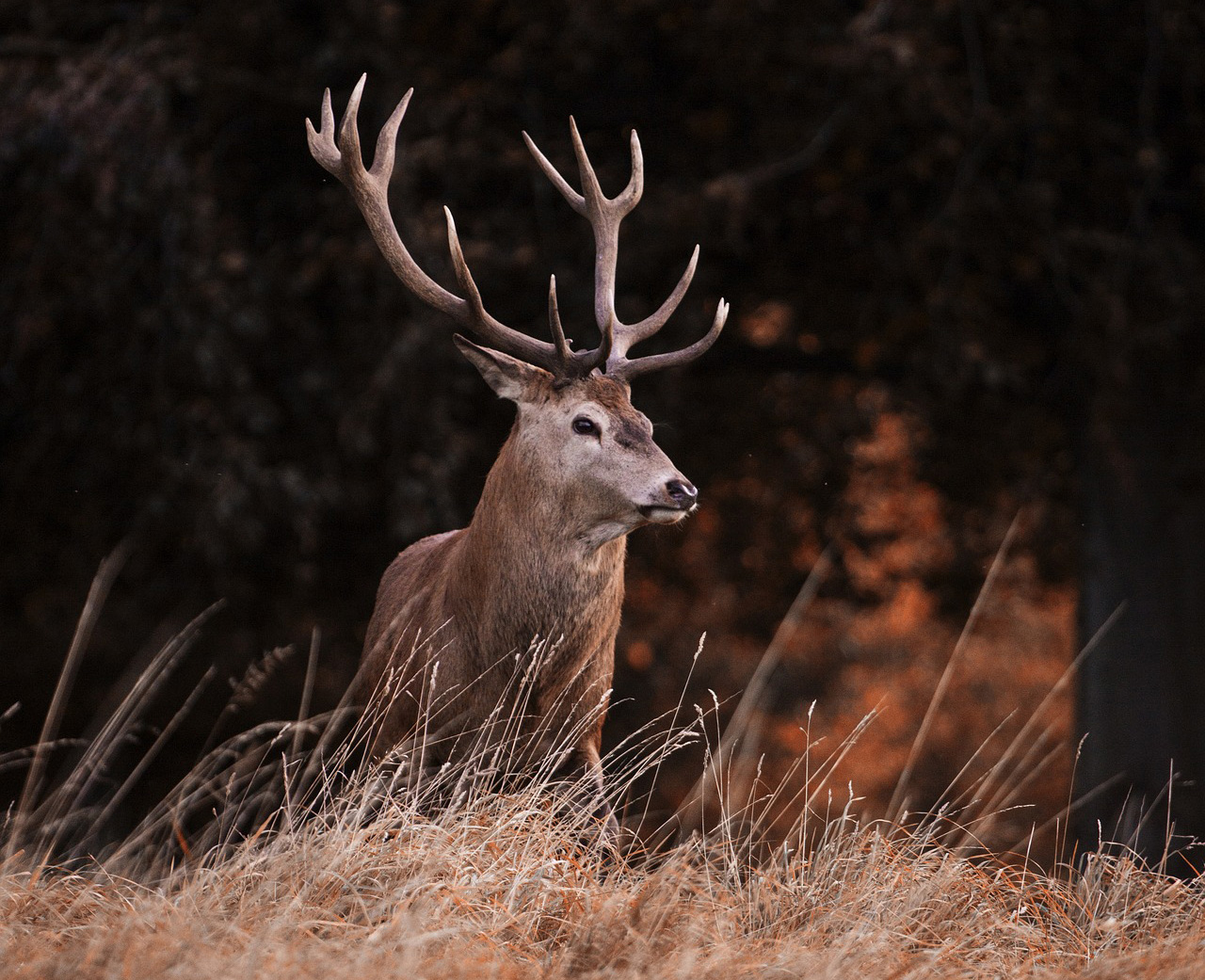
Red deer are one of the most iconic animals associated with Scotland, the red deer is the UK's largest land mammal and can be spotted in almost every region in the country. Mostly you will see them in Isle of Arran, Isle of Jura, Lochaber, Torridon, Cairngorms National Park, and Queen Elizabeth Forest Park.
-
-
STAG & DEER
Stag and deer Scotland’s stag and deer are symbolic of the country's wild landscape. When the mating season begins, stags compete for the does by fighting each other off with their antlers, known as ‘rutting’. For the best chance of seeing them in the wild, spend some time in Rannoch Moor or Glencoe area.
-
-
SCOTTISH WILDCAT
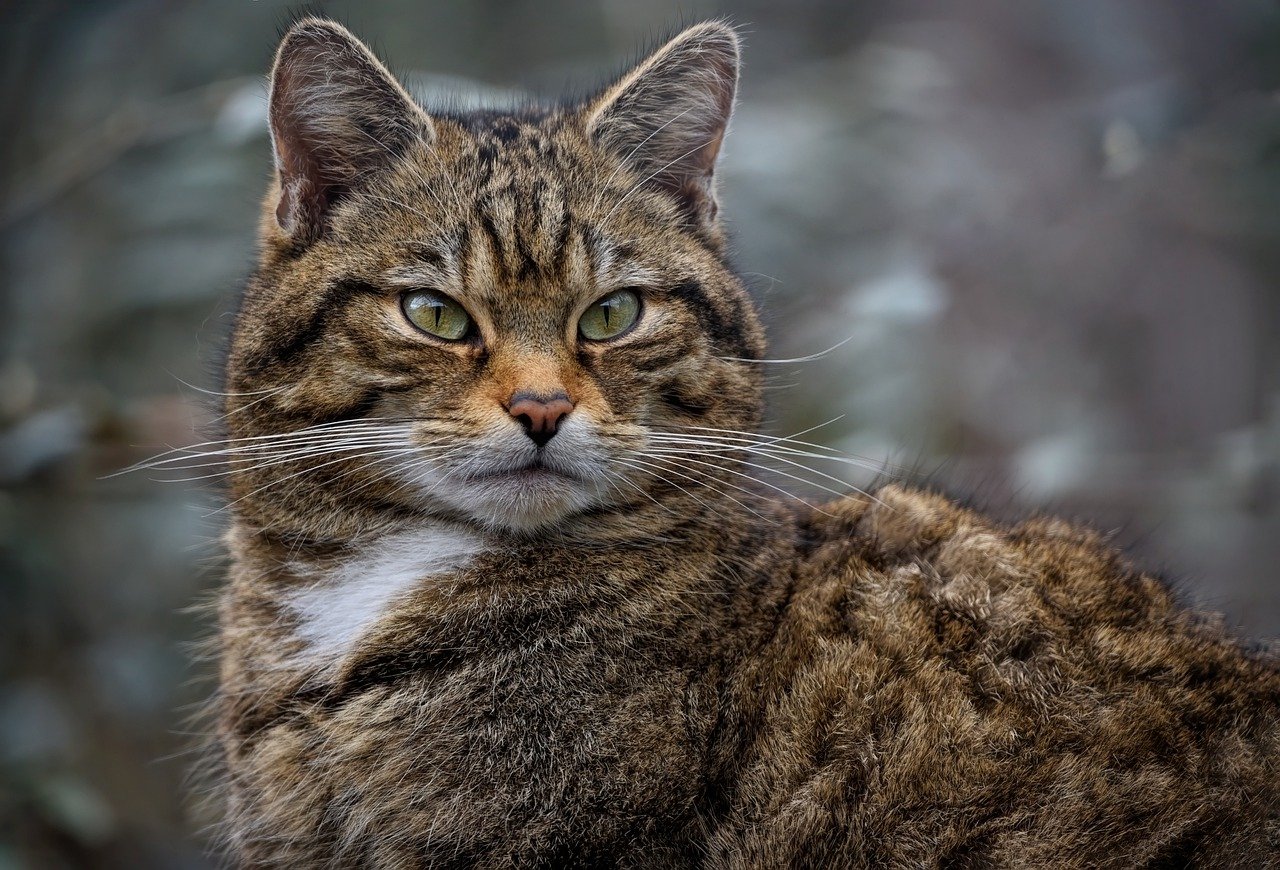
Scottish wildcat similar to a domestic tortoiseshell cat, the Scottish Wildcat is about as far removed from a tame tabby as you can get. Visible differences include a distinctly bushy tail marked by dark or black rings and a thicker coat; they also tend to be a little larger than their domesticated cousins. Wildcats are extremely rare; it’s estimated there are fewer than 100 left in the wild. Conservation projects are underway to help preserve them.
-
-
HIGHLAND COW
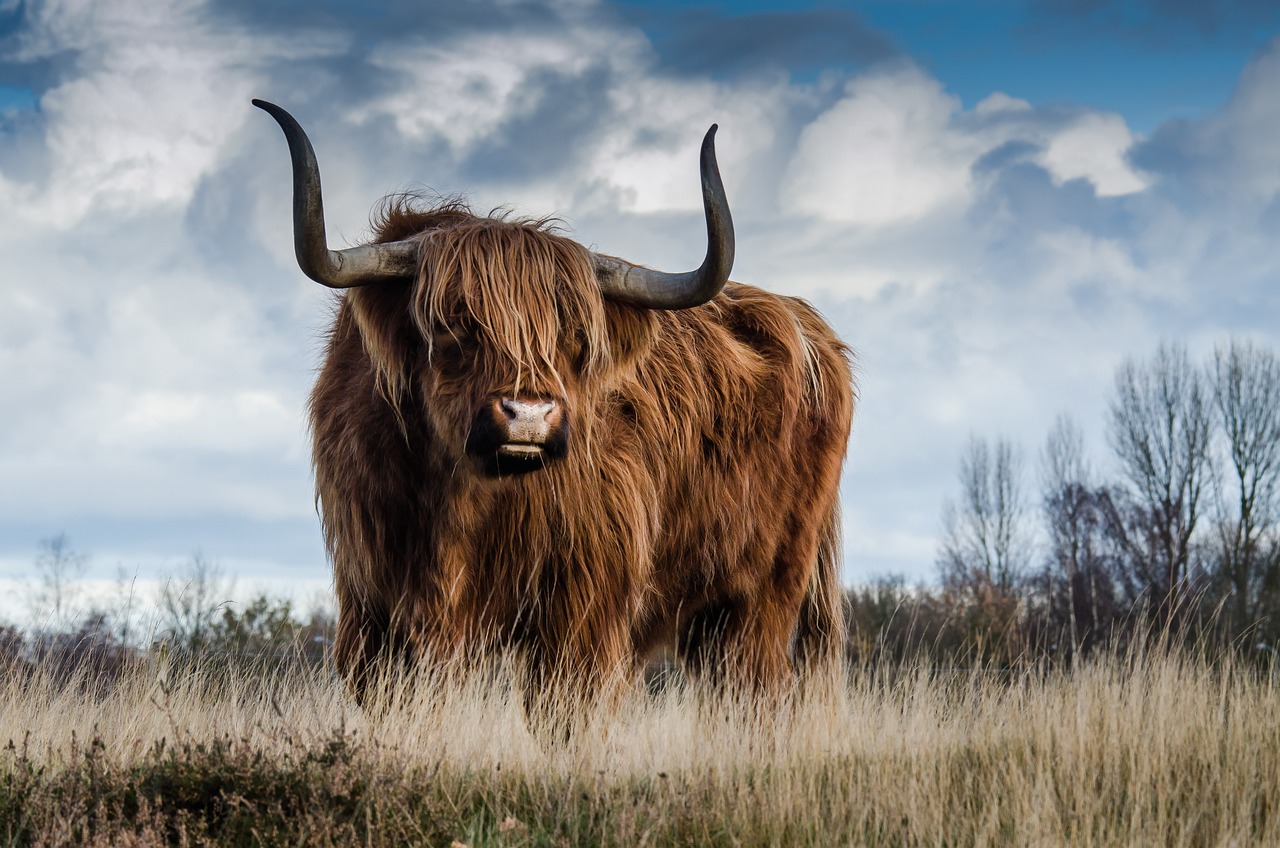
Highland cow is most certainly a unique breed of cattle - it's covered almost head to hoof in a long shaggy coat and has iconic horns protruding from its head. These are hardy animals, able to withstand torrential rain and powerful winds. There are almost no herds left to roam across Scotland so it’s hard to find a genuine Highland cow or ‘coo’ in the wild.
-
-
ADDER
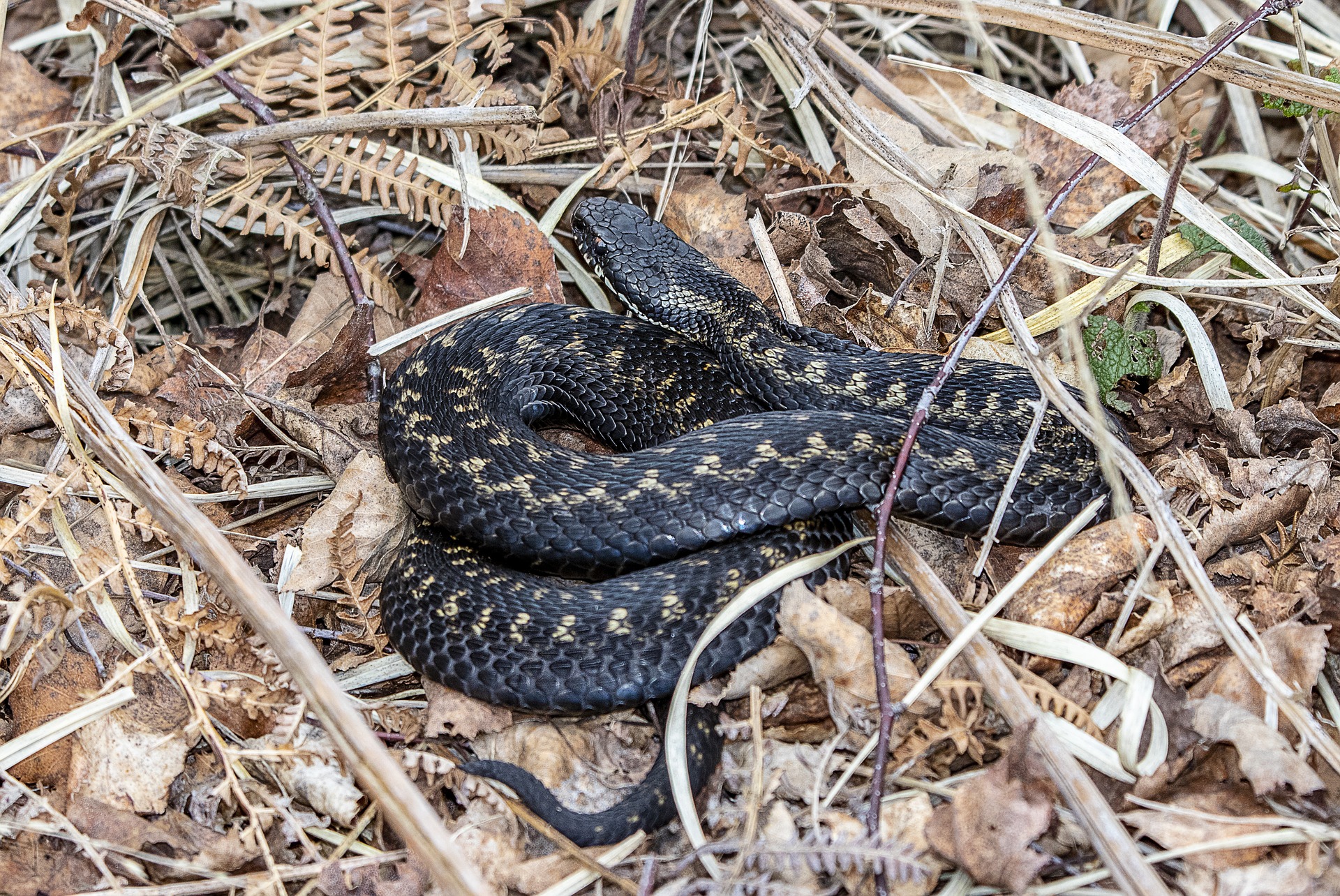
Adder Snakes are commonly known as a warm countries reptile although they are uncommon in the British Isles but we do have the native adder. The wooded or rocky areas in remote parts of rural Scotland are preferred habitats for these low-profile reptiles. Adders are venomous and can give you a nasty bite but occurrences of such encounters are rare. Snakes won't strike unless they’ve been stepped on so keep an eye out for them curled up in the sun from April to September. The rest of the year they spend hibernating underground. Mostly they are spotted in The Angus Glens. The adder is Scotland and the UK’s only venomous one. In its old English form, the name adder means simply serpent, although Scotland’s Scandinavian neighbours refer to it as the “striking” or “cutting” snake. Up to two feet in length and will make itself at home anywhere from rocky hillsides to lake shores. Although not aggressive or significantly venomous, the adder can, if threatened or provoked, deliver a painful bite.
-
-
HUMPBACK WHALES
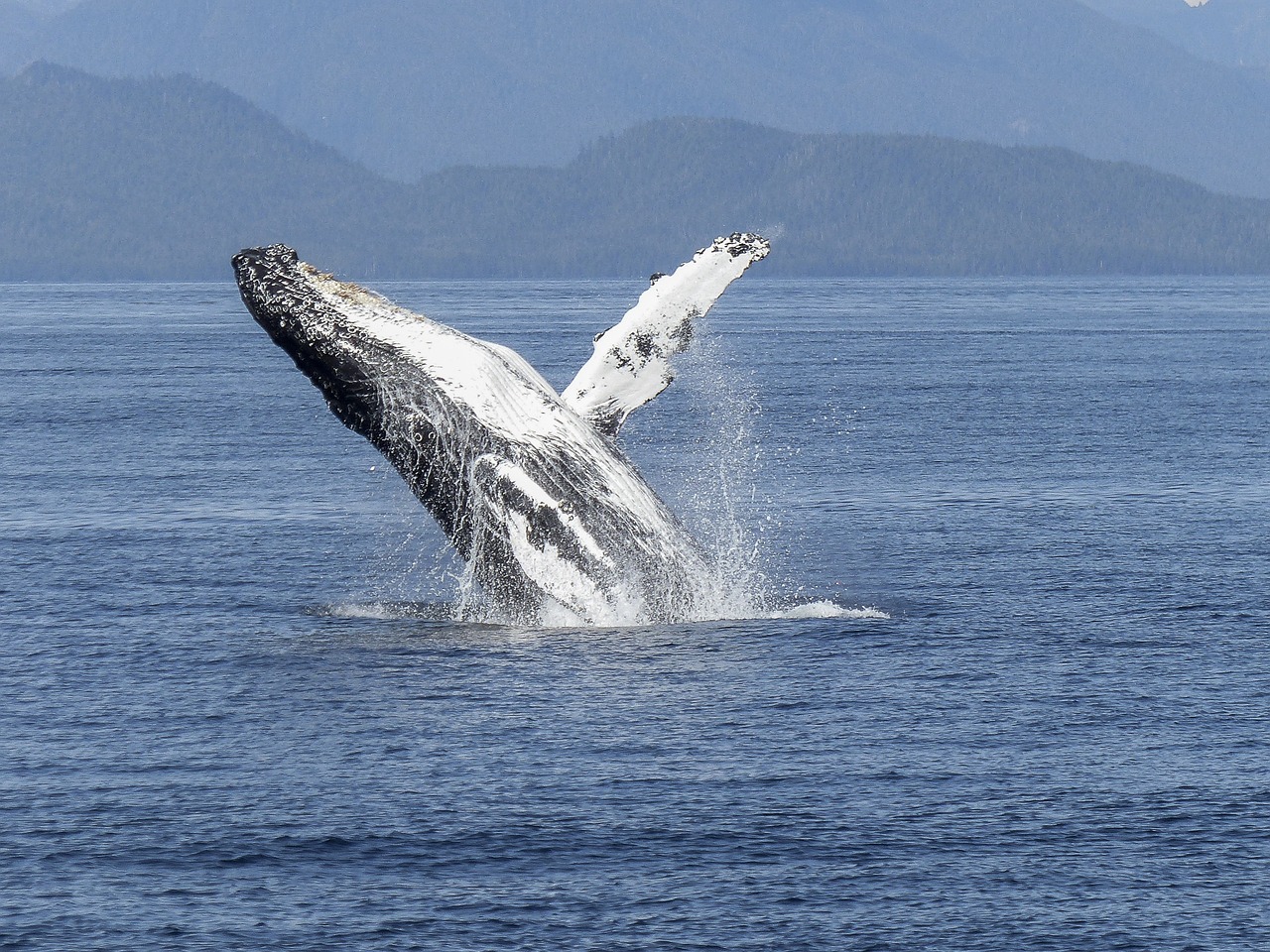
Humpback whales mostly spotted in The Isle of Mull. The wild waters around Scotland's northwest coastline are considered the top destination for whale watching in the UK. Dedicated whale spotting trips cruise the ocean off the Isle of Skye on the lookout for pods of migrating cetaceans, although it's also possible to spot them from the shoreline on a good day. The warm currents of the Gulf Stream flow past the western edge of these pretty islands, bringing an abundance of both native and exotic wildlife close to shore. There is also occasionally sighted off the waters of the Hebrides and Shetland, the pack hunting killer whale is happy to gorge on herring and salmon, although their size and strength means they have no problems taking on seals or even sharks! Despite their intelligence and power, attacks by wild killer whales on humans are rare. Indeed, human activities, such as fishing, pose more of a threat to orcas than they do to us.
-
-
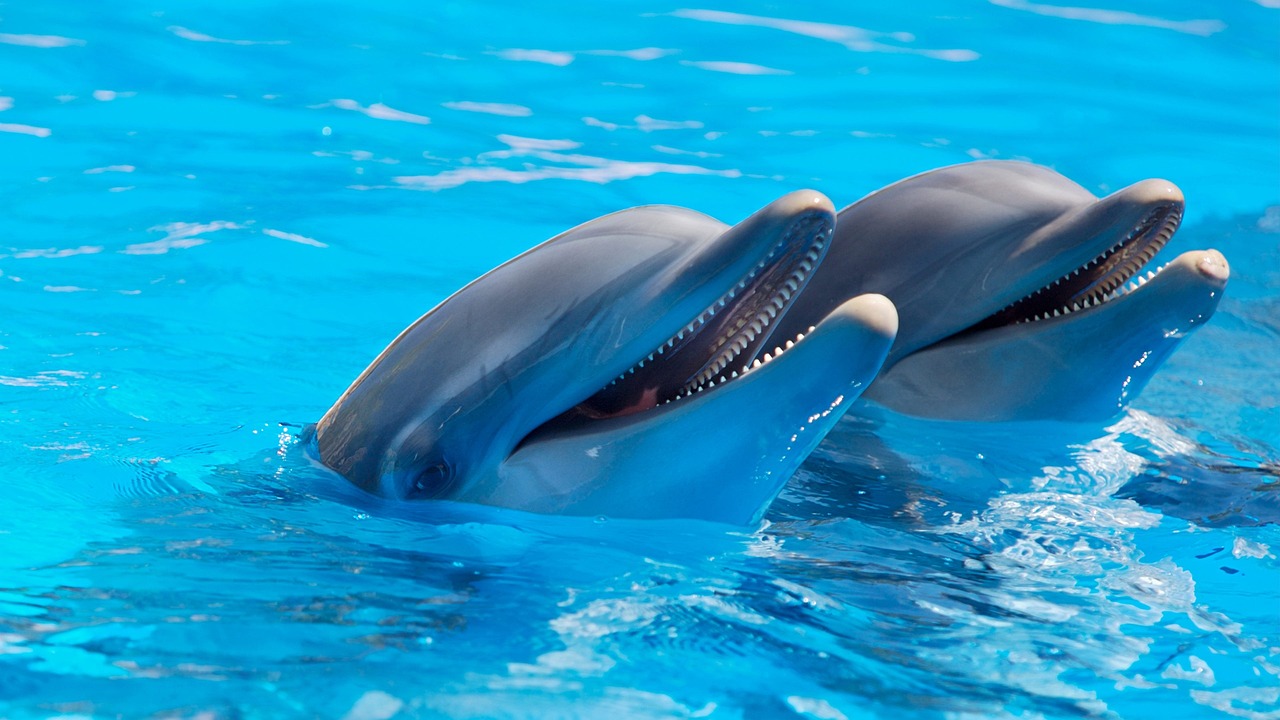
DOLPHINS
Dolphins Scotland has an impressive number of bottlenose dolphin pods that can be spotted off the coast. A popular location for sightings is Cromarty Point, a jutting headland that allows ships to access Cromarty Bay’s deep waters. For a good chance of seeing a specimen in the wild, the Scottish Dolphin Centre at Spey Bay is a fantastic family-friendly attraction
-
-
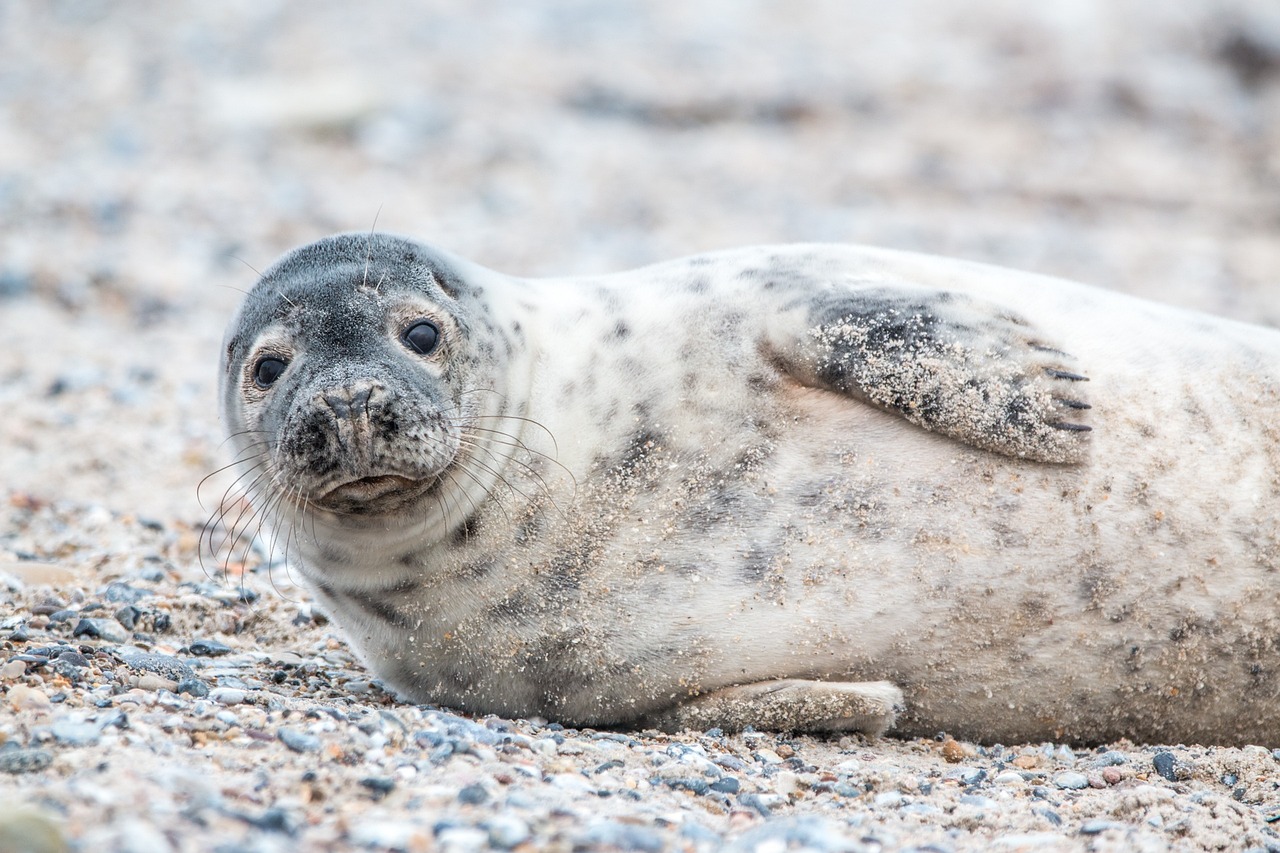
GREY SEALS
Grey seals are very common inhabitants you can see off the coastlines of Scotland. Keep your eyes peeled in the autumn months to see if you can spot fluffy grey seal pups too! Mostly spotted in all across Scotland, but in particular the Moray Firth, Firth of Tay, Ythan Estuary and the Isle of May.
Apart from above Scotland is also home for Otter, Badger, Basking shark Mountain Hare an iconic upland species, the mountain hare is famed for its camouflage. In summer, their coat is a grey-brown colour with a tinge of blue, making them hard to spot against the typical backdrop of heather moorland, Also Scotland is home to red squirrel which is smaller than their grey cousins, the fluffy red squirrel is an elusive addition to Scotland's forests and woodlands. Make sure you keep quiet as go on the lookout for these and many more gorgeous little mammals.


