Crampons
Crampons
CRAMPON & MINI SPIKES
Both are totally different tools for different type of terrains, so in my honest opinion they are not comparable alternatives. Some walkers think they are similar and can do everything what each other can do.
On terrain that microspikes were made for, they probably work better choice than crampons however microspikes have their limits.
One will take massive risk with using microspikes on terrain or in conditions for which they are not suitable and may have an accident.
it’s always wise to carry a suitable repair kit too just case of a breakage.
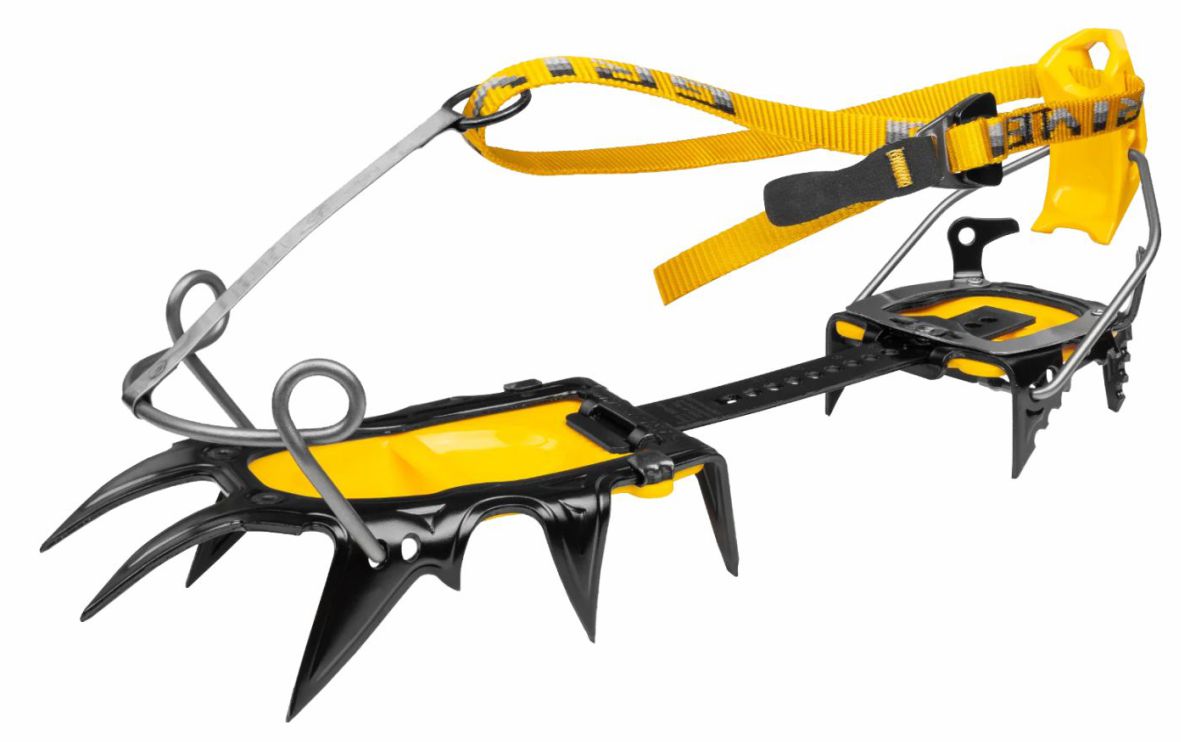
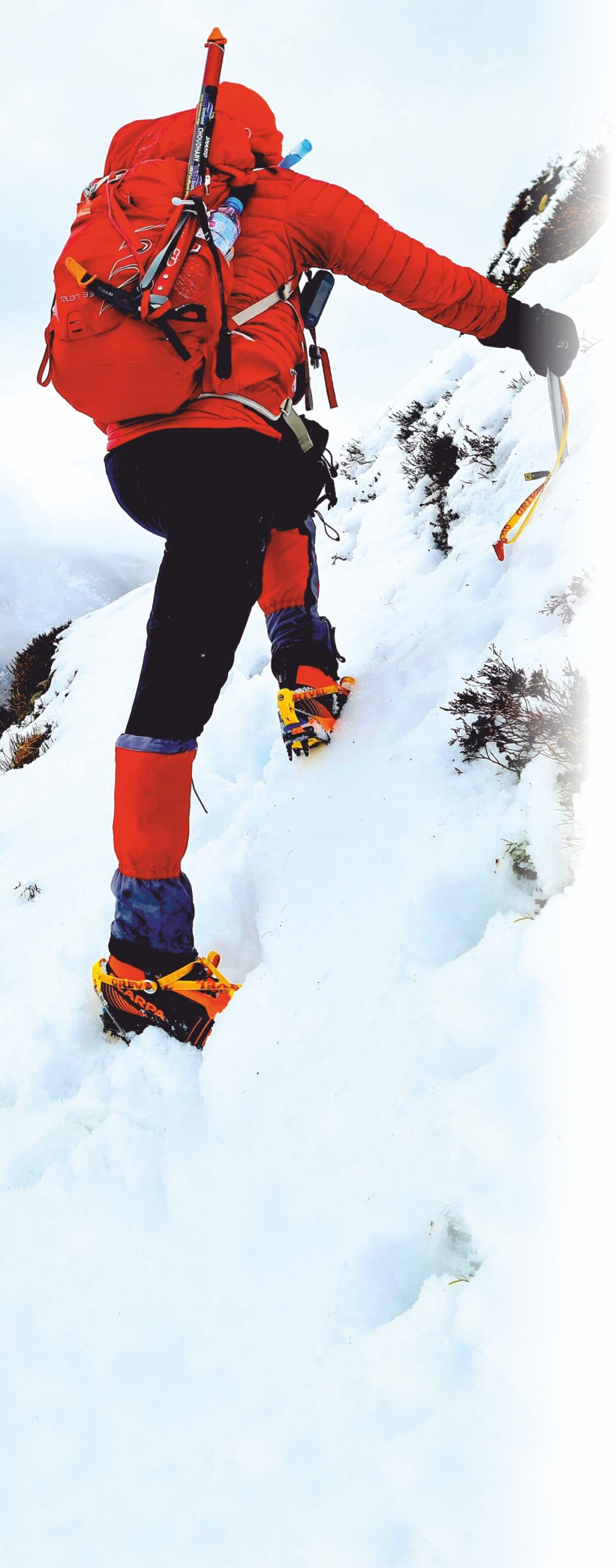
CRAMPONS
Number of Points: 10, 12 (common), possibly more.
Depth of Points: 2cm or more
Footwear Required: Boot with a stiff sole (B1 to B3)
Attachment: Depending on type, Mostly secured from heel and the toe of the boot to the crampon and also with strap.
Performance: Gradient: 0 degrees (flat) to 90 degrees (vertical). (depending on other factors) Some time on a gentle gradient, a thin cover of snow or ice on rocks can be one of the most awkward types of terrain to move on in crampons. it does require skill and care.
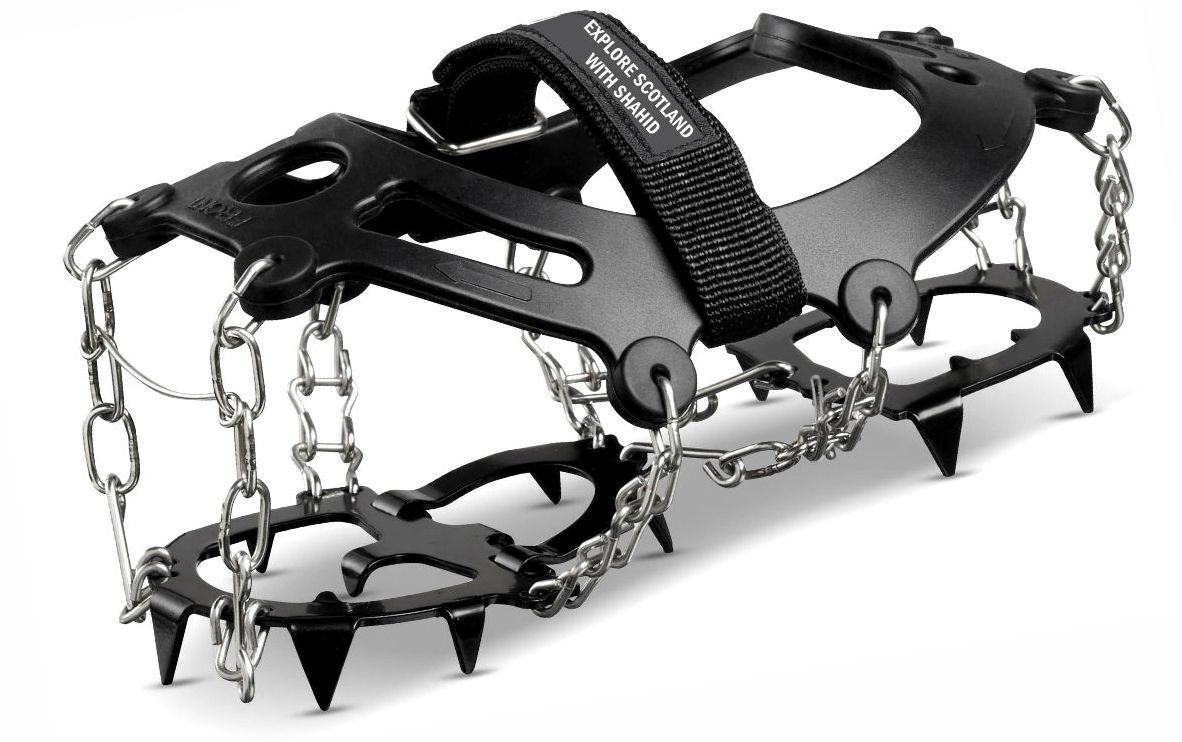
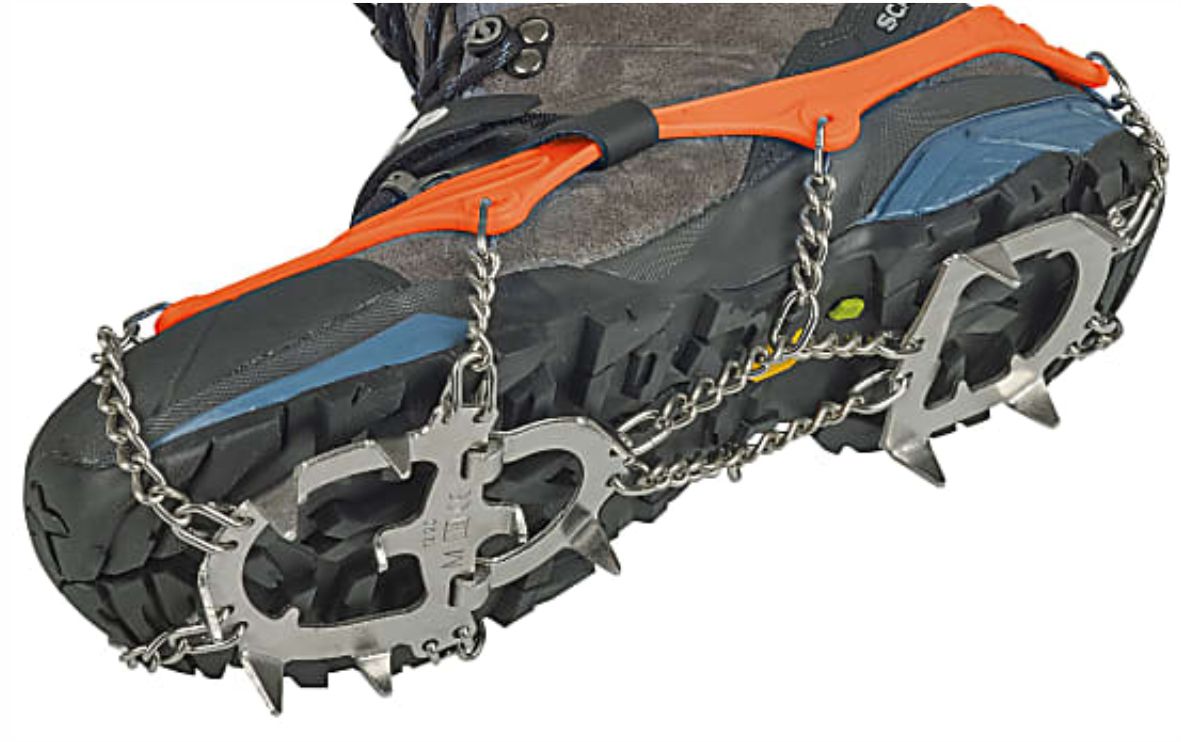
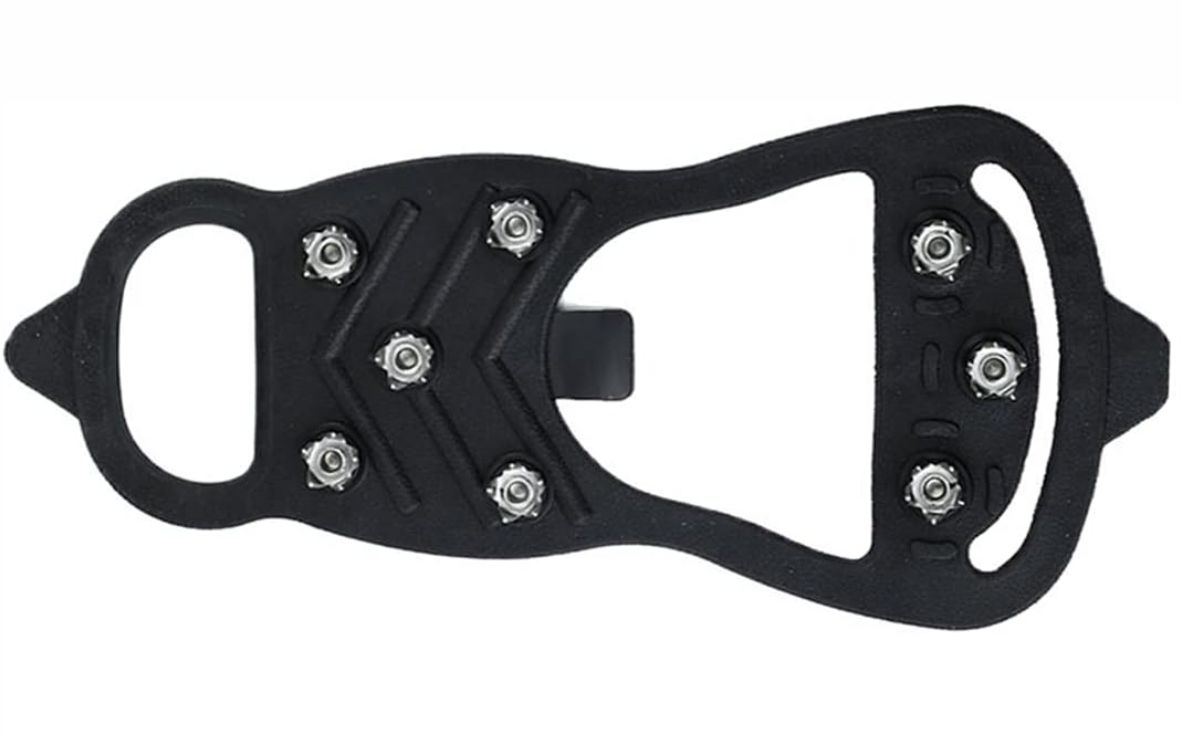
MINI SPIKES
Number of Points: varies,4,6,8,9 &10
Depth of Points: around 0.5cm
Footwear Required: Most footwear/flexible hiking boots
Attachment: Rubber attachment fitting on the upper of the shoe (no specific heel or toe attachment)
Performance: Gradient: Gentle gradients only flat or maybe up to 10-15 degrees or so. On thin cover of ice on rocks can be an tricky to walk over with microspikes. Though Microspikes work brilliantly for the job they were made for but not suitable for steep, consequential icy terrain.